

A boy and his dog – that’s what Shaggy and Scooby-Doo are at first glance to the untrained eye. But to anyone familiar with the characters, or more importantly, anyone who has a dog – it’s much much more. Shaggy and Scooby are the classic bromance.
The show, the first in a long line that also includes two live-action feature films, followed the adventures of the Mystery, Inc. gang as they traveled the countryside in their Mystery Machine van debunking the supernatural in a formulaic fun romp that would become standard on Saturday mornings for decades. This was an attempt by animators Joe Ruby and Ken Spears, under the auspices of Hanna-Barbera, to create a new type of program for kids television. Parents groups were coming down hard on violence in cartoons, so something new was needed. They created the sleuth cartoon.
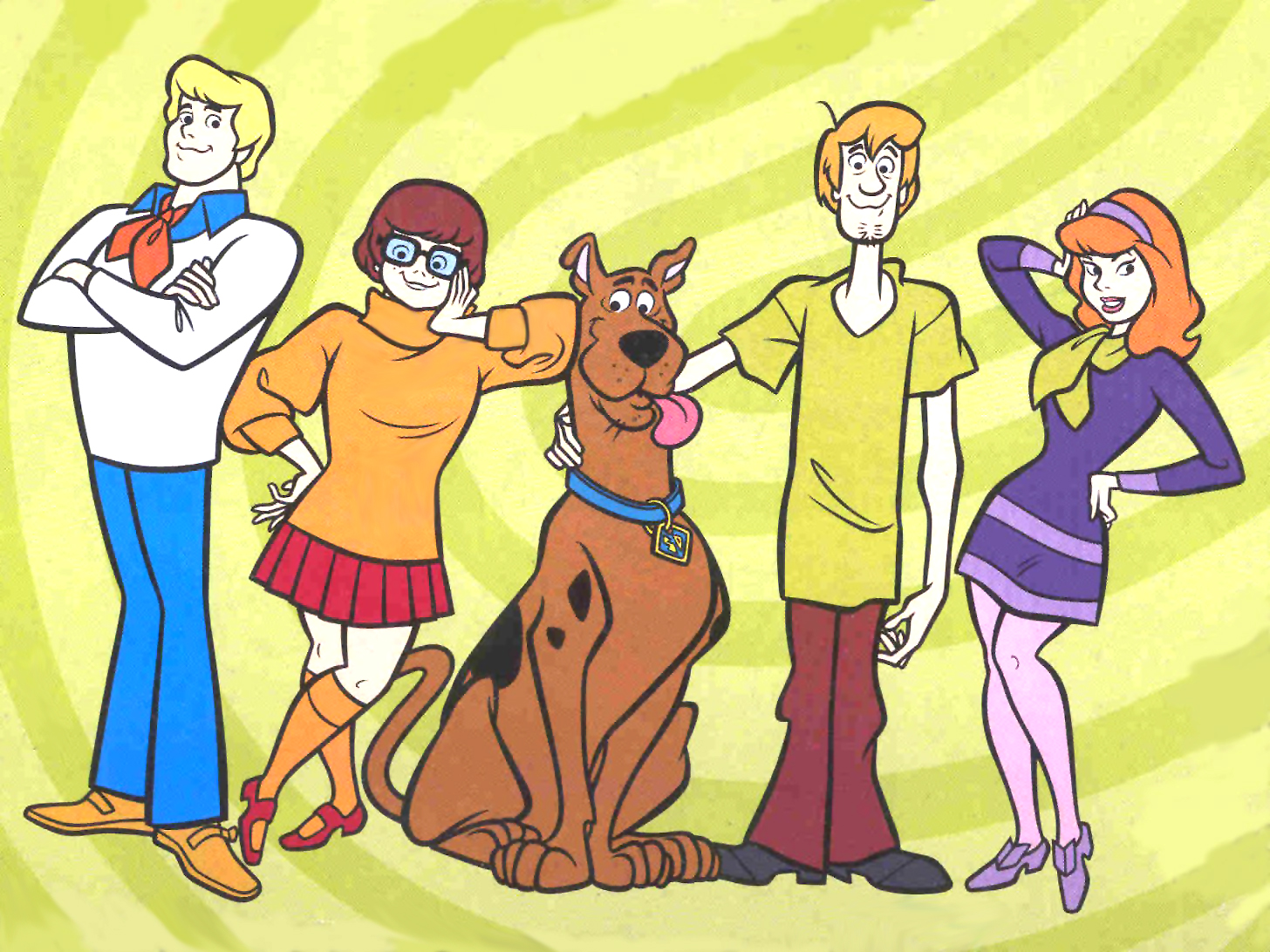
The group was rounded out by obvious stoner hippie Shaggy, real name Norville Rogers, and his pet Great Dane Scooby-Doo. Shaggy was so named because of his unshaven chin, an oddity in cartoons then, and even now. Facial hair is rarely cool in animation it seems, unless you’re a bad guy, just ask Mirror Universe Spock. He was from the beginning a cowardly slacker with the munchies. Indeed, hip viewers of this original series thought Shaggy was smoking up. Now rumors vary, but no one will cop to the obvious drug references in the creation of Shaggy as a stoner, just like the folks at Krofft deny anyone was taking acid when things like “Lidsville,” “H.R. Pufnstuf” and “The Bugaloos” were created. Disc jockey Casey Kasem, the voice of Shaggy, admits to understanding hippie culture when he took the role he played on and off for over forty years, but similarly denies any drug implications.
Scooby-Doo, a talking dog in the tradition of Astro from “The Jetsons,” was voiced by veteran animation talent Don Messick, who also did Astro, as well as Muttley, and many other characters over the years, not all of them talking dogs. Scooby’s name was derived from the way Frank Sinatra would scat sing, like in “Strangers in the Night,” a favorite of Fred Silverman, then head of children’s programming at CBS. Scooby was just as much a coward with the munchies as Shaggy, and that made the two very tight, more than a boy and his dog, they were besties.
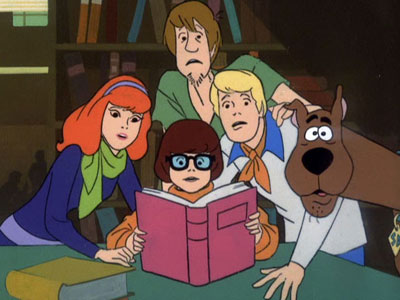
The Mystery Machine would break down, a mystery would be found while they looked for help (eerily like The Rocky Horror Picture Show), and then the group would split up to search for clues, not unlike the Justice League in the Silver Age, and their predecessors the Justice Society in the Golden Age. When something works, you don’t fix it, ya know? Fred and Daphne would go look for clues, and probably neck. Velma would look for clues, and invariably solve the case. And Shaggy and Scooby would pal around, hide from ghosts and/or monsters, look for snacks, and usually run headlong into the bad guys, cue chase scene. At the end, together the gang would resolve the mystery and tear the face mask off a baddie or two.
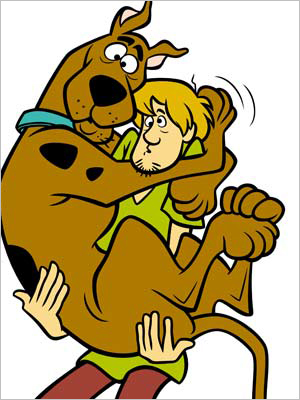
So why do we love these guys? Is it the funky seventies vibe? Is it the cool drug subtext? No, it’s cuz they’re buds (see what I did there?), it’s because they always have each other’s back. They are true friends. And true friends will love you both despite and because of your flaws – and always, no matter what. Scooby and Shaggy is a bromance built on pure and perfect friendship.

Copyright 2012 Glenn Walker